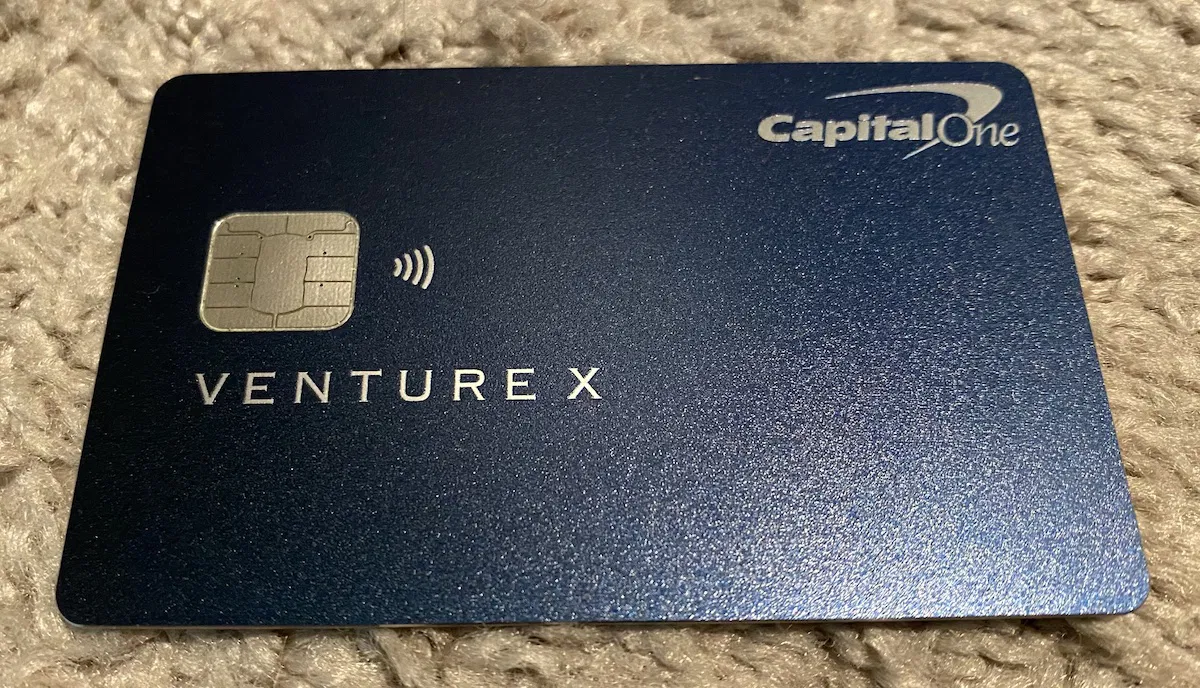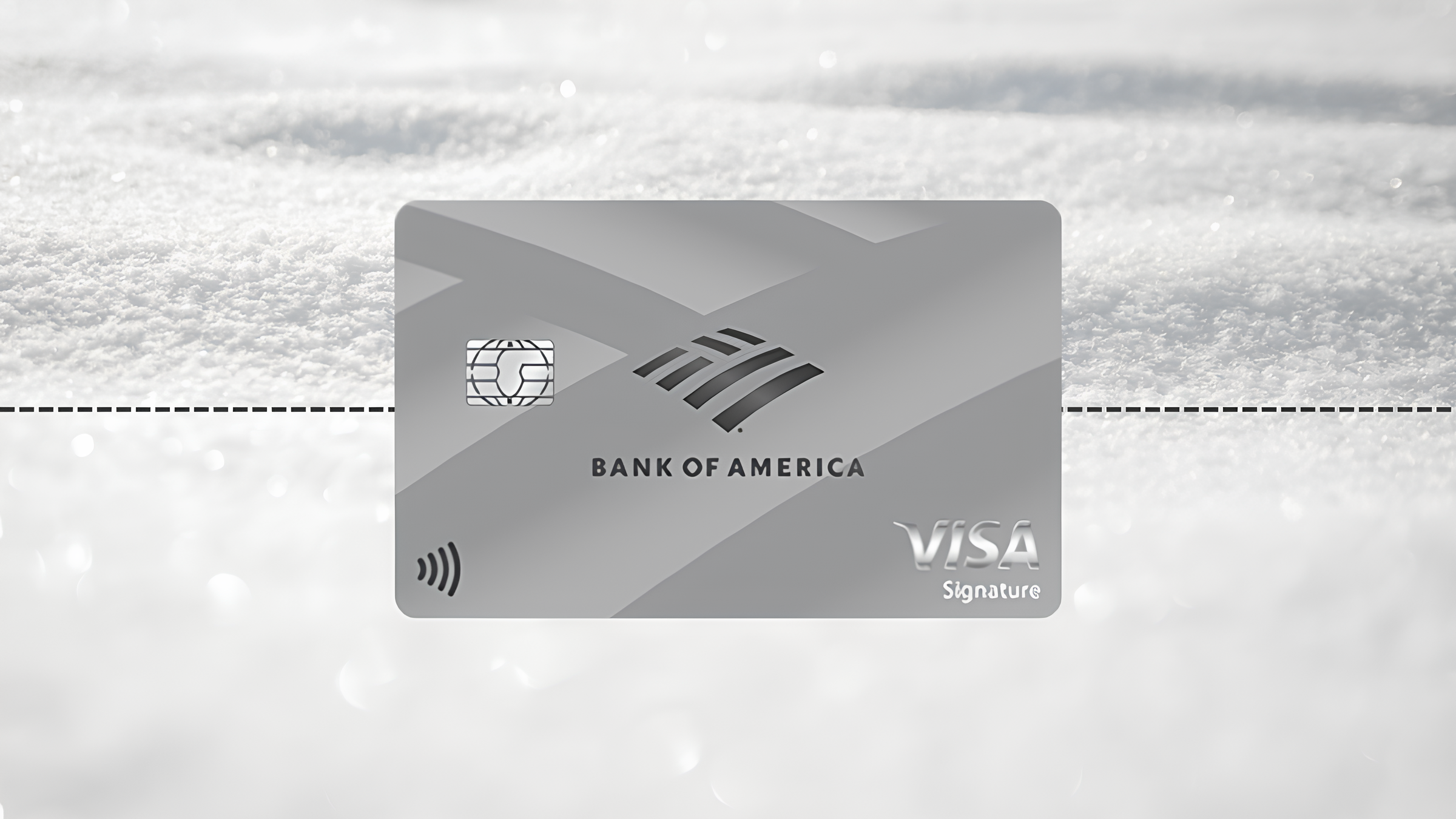
Comparison between digital and traditional bank credit cards
The Rise of Digital Credit Cards
With the rapid advancement of technology, consumers have begun to embrace new financial tools that align with their lifestyles. Digital credit cards, for example, are becoming increasingly popular among those who prefer convenience and efficiency. One of the standout features of digital credit cards is their instant issuance. When signing up for a digital card, you can often receive your card number immediately via an app or email. This means you can start making purchases right away without waiting for a physical card to arrive in the mail.
Additionally, digital credit cards are easily integrated with mobile wallets like Apple Pay, Google Pay, or Samsung Pay. This functionality allows users to make contactless payments, enhancing convenience when shopping at stores or paying for services. For instance, when you’re at a checkout line, simply hovering your smartphone over a payment terminal can complete the transaction seamlessly, eliminating the need to rummage through your wallet.
Another critical aspect of digital credit cards is their enhanced security features. Many digital cards offer virtual card numbers, which create a unique number for each transaction. This means your actual credit card number remains hidden, greatly reducing the risk of fraud. This feature is especially beneficial for online shopping, where data breaches can occur.
Benefits of Traditional Credit Cards
Despite the growing popularity of their digital counterparts, traditional credit cards still carry immense value and appeal. For many users, having a physical card can bring a sense of comfort and security. Holding a tangible card can be reassuring, especially when navigating situations without mobile payment options.
Moreover, traditional credit cards are widely accepted both nationally and internationally. This acceptance makes them a reliable choice for travelers who may encounter situations where digital payments are not feasible. For example, many small businesses or remote vendors may only accept cash or physical cards, so having a traditional card ensures you’re prepared for various payment situations.
Additionally, traditional credit cards frequently come with enticing rewards programs. Many of these cards offer cashback on purchases, points for travel rewards, and other perks that can lead to significant savings. For instance, a card might provide 2% cashback on groceries or travel rewards that can be redeemed for free flights, ultimately enhancing the value of using the card.
Making the Right Choice
When deciding between digital and traditional credit cards, it’s important to evaluate your personal preferences and spending habits. If instant access, security features, and ease of use are your top priorities, a digital credit card might be the better choice. Conversely, if you value the assurance of a physical card, wider acceptance, and potential rewards, a traditional credit card may serve you better.
Ultimately, both types of credit cards have their unique strengths, and understanding these can empower you to choose the right card that fits your financial needs and lifestyle. By evaluating the features outlined above, you can make a more informed decision that aligns with your goals and values.
SEE ALSO: Click here to read another article
Understanding Digital Credit Cards
Digital credit cards are designed for a modern consumer landscape that values quick, efficient transactions. One significant advantage of digital credit cards is the ease of account management. Many financial institutions offer user-friendly mobile applications that allow cardholders to access their account details anytime, anywhere. Users can view their transaction history, monitor spending, and even set up budget alerts directly from their devices. This feature helps individuals stay on top of their budgets and spend wisely.
Furthermore, digital credit cards often provide real-time notifications. Whenever a transaction is made, a notification is sent that can help users immediately recognize any unauthorized charges. This feature fosters a heightened sense of security and encourages proactive monitoring of one’s financial activities.
Instantaneous Benefits
Another notable characteristic of digital credit cards is the speed at which benefits can be accessed. For example, many digital card offerings come with instant sign-up bonuses for new users. This means you could receive rewards points or cashback shortly after making a qualifying purchase with your newly issued digital card. Additionally, users can easily transfer or redeem these rewards without cumbersome procedures, providing an efficient way to maximize the value of each dollar spent.
The Case for Traditional Credit Cards
On the other hand, traditional credit cards offer several enduring advantages, making them a staple in many consumers’ wallets. One of the principal benefits is their universal acceptance. While digital payment methods are gaining traction, traditional credit cards are still the preferred choice in many establishments, especially in regions with limited technology adoption. For instance, when traveling in rural areas or less tech-savvy locations, having a physical credit card can save you from potential inconveniences when digital payment methods are not accepted.
Moreover, traditional credit cards tend to have a broader spectrum of financial benefits. Many card issuers offer extensive rewards programs that can include points for travel, cashback on everyday purchases, and exclusive deals with partner merchants. Here are some common benefits of traditional credit cards:
- Cashback rewards: 1% to 5% back on specific categories, making it easy to earn while you spend.
- Travel perks: Points that can be redeemed for flights, hotel stays, or upgrades with various airlines and travel companies.
- Extended warranties: Some cards provide extra warranty coverage on purchases, adding an extra layer of protection for valuable items.
In essence, while digital credit cards offer modern conveniences, traditional credit cards bring tried-and-true reliability and tangible benefits that many consumers still appreciate. Understanding these distinguishing features can help individuals make educated decisions that fit their needs best, whether they lean towards the tech-savvy approach of digital cards or the familiarity of traditional credit cards.
CHECK OUT: Click here to explore more
Security Features in Focus
When it comes to security features, both digital and traditional credit cards have their strengths, but they operate in different ways. Digital credit cards often provide enhanced security through features such as virtual card numbers. These are temporary card numbers that can be used for online transactions instead of your actual credit card number. This reduces the risk of fraud, as the virtual number can expire after a single use or be set for limited timeframes. Many digital cards also use biometric authentication, like fingerprint or facial recognition, adding an additional layer of protection to your transactions.
On the flip side, traditional credit cards come with their own set of robust security features. Most major card issuers provide fraud monitoring services that track spending patterns and alert customers of suspicious activity. This means that if an unusual charge appears, you will be notified promptly. Additionally, traditional credit cards typically include protections against unauthorized use. The Fair Credit Billing Act provides consumers with rights to dispute unauthorized charges and limit liability, usually capped at $50 unless the cardholder was negligent.
The User Experience
Looking at the user experience, there are notable differences between digital and traditional credit cards. Digital cards are designed with the tech-savvy consumer in mind. The seamless integration with digital wallets, such as Apple Pay, Google Pay, or Samsung Pay, makes transactions incredibly fast and easy. Simply tapping your smartphone at a point-of-sale terminal can complete a purchase in seconds. This convenience is further amplified by the ability to store multiple cards in a single mobile app, allowing users to switch between different payment options effortlessly.
Traditional credit cards, on the other hand, offer the physical presence that many users still appreciate. For those who have concerns over battery life, connectivity, or digital literacy, having a tangible card handy can be reassuring. Furthermore, the experience of seeing and holding a card may evoke a sense of value for some consumers. Additionally, traditional credit cards may also offer physical rewards, such as accompanying membership cards for travel perks or shopping discounts, adding a tangible component to the experience.
Costs and Fees Comparison
Lastly, when assessing costs and fees, both digital and traditional credit cards can have varying charges. Traditional credit cards may have annual fees, foreign transaction fees, and late payment penalties that vary across different issuers. It’s essential for consumers to meticulously read the fine print and understand these fees before signing up for any credit card.
On the digital front, many digital credit cards aim to attract users by reducing or eliminating common fees. It’s not unusual to find digital cards that offer no foreign transaction fees or no annual fees at all, which can be particularly appealing for frequent travelers. However, it’s important to scrutinize reward structures and understand how they compare with traditional counterparts to ensure you’re getting the best value.
In summary, the journey through the world of credit cards—whether digital or traditional—comes down to personal preferences, lifestyle, and individual financial situations. Each type of card brings unique attributes that cater to different consumer needs, making it critical to evaluate your priorities and choose what resonates most with your financial habits.
SEE ALSO: Click here to read another article
Final Thoughts
The choice between digital and traditional credit cards ultimately hinges on individual preferences and specific financial needs. As we have explored, digital credit cards emphasize convenience, security, and often lower fees, making them appealing for the tech-savvy consumer who desires instant access and efficiency. Features like virtual card numbers and integration with mobile wallets offer layers of security and unmatched ease in managing payments.
Conversely, traditional credit cards retain their relevance through their tangible presence and the sense of security they provide for individuals who may not be as comfortable with technology. For some, the physical card fosters a sense of engagement with their finances and allows for straightforward use at places where digital payments may not be accepted. Additionally, the benefits associated with physical rewards programs can add significant value for frequent travelers and shoppers.
It is crucial to consider both costs and benefits when making your selection. Understanding the fees associated with each option and evaluating the associated rewards can help ensure you maximize value. In conclusion, whether you favor the high-tech advantages of digital credit cards or the classic familiarity of traditional ones, aligning your choice with your lifestyle and spending habits will empower you to make the most informed financial decision.

Maria Eduarda
Linda Carter is a writer and financial consultant specializing in economics, personal finance, and investment strategies. With years of experience helping individuals and businesses make complex financial decisions, Linda provides practical analyses and guidance on the Meaning of Dreaming platform. Her goal is to empower readers with the knowledge needed to achieve financial success.