

How Geopolitical Events Influence Financial Markets
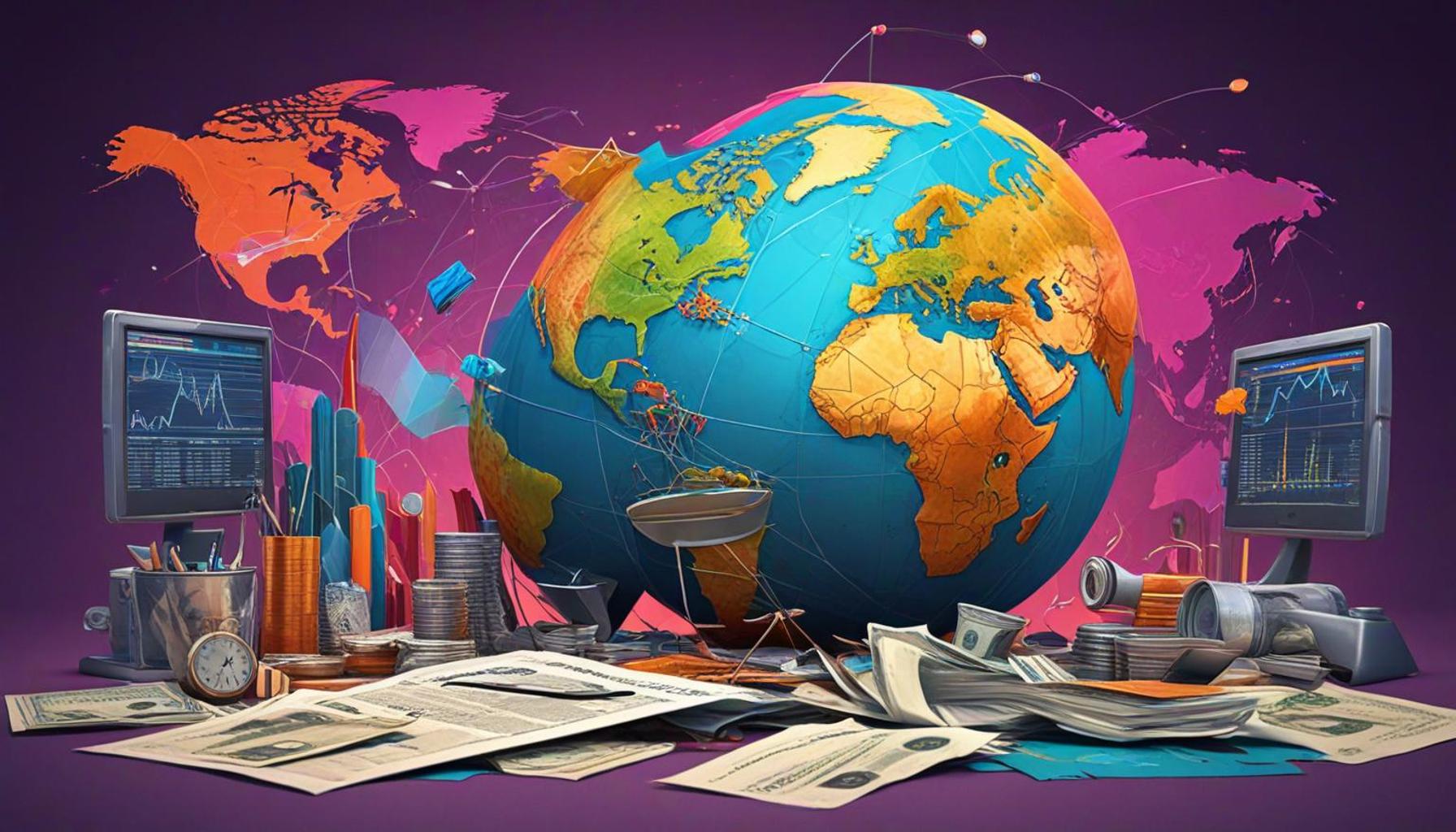
The Impact of Geopolitical Events on Financial Markets
Geopolitical events have a profound impact on financial markets, often acting as catalysts for significant market movements. These events arise from various sources, and understanding them is crucial for both seasoned investors and everyday individuals who manage their finances. Key sources of geopolitical events include:
- International disputes: Conflicts between nations, whether military or diplomatic, can create a ripple effect across global markets.
- Trade negotiations: Agreements or disagreements in trade talks often influence investor sentiment and economic forecasts.
- Political instability: Unstable governments or political turmoil can lead to a lack of confidence in a country’s economy, affecting its currency and markets.
- Natural disasters: Events such as earthquakes or hurricanes can disrupt production and supply chains, impacting stock prices and commodity markets.
The reactions of investors to these geopolitical events are often predictable. For example, when tensions arise between countries—like the United States and China over trade disputes—investors typically move towards safer assets. They may start buying gold or U.S. Treasuries, which are considered relatively secure. This “flight to safety” often results in a decrease in stock prices as investors sell off equities to mitigate perceived risks.
Another example can be seen in the recent trade negotiations between the U.S. and European Union. Heightened discussions regarding tariffs or trade barriers can lead markets to react swiftly. Investors may adjust their portfolios expecting changes in profit margins for certain companies, particularly those heavily involved in international trade. A company like Boeing, for instance, must carefully navigate these waters as tariffs on imported materials may significantly affect their production costs and share prices.
Furthermore, geopolitical instability can lead to fluctuations in currencies and commodities. For example, political instability in oil-producing regions often results in rising oil prices due to anticipated supply shortages. Investors need to be aware that these changes can affect not just gas prices at the pump but also the costs of goods and services across the economy.
Understanding how to navigate these shifts is essential for anyone involved in investing or financial planning. By examining how specific geopolitical events affect market trends, such as those mentioned, it becomes clearer how interconnected our world is and how vital it is to stay informed about global developments. With this knowledge, investors can make more informed decisions, potentially leading to better financial outcomes.
In summary, being aware of the interplay between global events and financial markets allows individuals to better position themselves strategically in their investing endeavors. With further exploration of these relationships, the complexities of the financial world can become more manageable and understandable.
SEE ALSO: Click here to read another article
Understanding the Market Responses to Geopolitical Events
To grasp how geopolitical events influence financial markets, one must first recognize the mechanisms behind these interactions. Financial markets are sensitive to changes in the global landscape, and investor reactions often follow specific patterns in response to various geopolitical scenarios. Let’s delve deeper into some of these patterns and the areas of the market that are most affected.
Investor Behavior during Geopolitical Tensions
When geopolitical tensions escalate, such as military conflicts or aggressive diplomatic posturing, investors often adopt a cautious approach. This is primarily guided by fear and uncertainty. Generally, as tensions rise, investors anticipate potential disruptions to trade or broader economic fallout, leading them to shift their portfolio allocations. This shift can manifest in several ways:
- Increased demand for safe-haven assets: During periods of uncertainty, assets like gold, U.S. Treasuries, and the Swiss Franc often see increased demand. These assets are viewed as safer investments, and as investors flock to them, their prices tend to rise.
- Sell-off of equity markets: Conversely, stock markets often experience declines as investors liquidate their positions. Sectors that are more sensitive to geopolitical risks, such as technology, energy, and consumer discretionary, may see even sharper declines due to anticipated disruptions.
- Volatility spikes: Increased uncertainty invariably leads to market volatility. For instance, the VIX Index, known as the “fear gauge,” may see a spike as investors hedge against potential market downturns. A rise in the VIX indicates that investors are expecting larger price swings in the stock market.
Take, for example, the geopolitical strife in the Middle East. When conflicts arise in oil-rich regions, it often triggers a rise in oil prices due to fears of supply disruptions. This not only impacts the energy sector but also influences broader market indices. Higher oil prices can lead to increased costs for consumers and businesses alike, prompting concerns about inflationary pressures on the economy.
The Role of Trade Relations
Another significant aspect to consider is the impact of trade relations between countries. When countries engage in trade negotiations that lead to agreements or disagreements, the effects can be immediate and profound. For instance, if tariff discussions between the U.S. and another major economy become contentious, markets can react swiftly as companies adjust their forecasts based on potential cost changes.
To illustrate, if the U.S. imposes tariffs on imported steel, companies like automakers who rely on steel for production might face increased costs, thereby affecting their stock prices. Each trade negotiation creates a domino effect, influencing not just the immediate companies involved but also their suppliers and the consumers who depend on them.
By understanding these aspects of how geopolitical events influence the financial markets, investors can become better equipped to navigate the unknowns that regularly surface in the global arena. This comprehension not only allows for strategic investment decisions but also fosters a greater awareness of the interconnected nature of our world.
SEE ALSO: Click here to read another article
The Ripple Effects of Geopolitical Decisions on Global Economies
While the immediate impacts of geopolitical events on financial markets are evident, the ripple effects can resonate globally, influencing economic conditions in ways that may not be immediately apparent. This is particularly true for countries that are deeply intertwined with the global supply chain or those that are heavily reliant on specific export markets. A deeper look at these dynamics can clarify how such events shape not just the stock market but the broader economic landscape.
The Influence of Sanctions and Regulation
Sanctions imposed by one country on another can have a profound effect on financial markets. When sanctions are enacted, they often restrict the flow of trade, investments, and resources, which can lead to significant market disruptions. For example, consider the sanctions placed on Iran in response to its nuclear program. These sanctions targeted critical sectors such as oil, banking, and trade, leading to a decrease in Iranian oil exports. This disruption affected global oil prices, as countries reliant on Iranian oil had to seek alternative sources, creating fluctuations that echoed across multiple markets.
Additionally, companies that do business internationally sometimes face increased regulatory scrutiny following geopolitical tensions. For instance, if the U.S. government heightens restrictions against a certain foreign entity, American companies with ties to that entity may have to reassess their partnerships or operational strategies. Such regulatory changes can lead to fluctuations in stock prices as investors recalibrate their expectations based on the new conditions.
Currency Markets and Geopolitical Stability
Currency markets are particularly sensitive to geopolitical developments. The value of a currency often reflects its country’s perceived stability, and when turmoil arises, investors tend to move their capital to currencies that they view as safer. The U.S. Dollar, for instance, often appreciates during times of global uncertainty as investors flock to it for its historically stable nature. This phenomenon can result in a stronger dollar, which, in turn, influences U.S. exports by making them more expensive for foreign buyers, potentially impacting U.S. manufacturers’ competitiveness abroad.
Take the scenario of heightened tensions between the U.S. and North Korea. Following statements and military exercises from either side, the South Korean Won might weaken against the dollar as investors react to perceived threats in the region. This change can impact not only South Korea’s economy but also that of its trading partners, affecting global supply chains and economic forecasts.
Emerging Markets: Vulnerable yet Resilient
Emerging markets often bear a disproportionate brunt of geopolitical events. These countries may lack the economic resilience of more developed nations, making them highly susceptible to external shocks. For instance, consider the impact of political unrest in Venezuela on its oil production. The resulting decrease in exports significantly hurt not only the Venezuelan economy but also global oil supply dynamics, pushing prices higher and affecting energy-dependent nations.
Moreover, the investor sentiment toward emerging markets can swing dramatically based on geopolitical stability. A stable political environment may attract foreign investment, spurring economic growth, while uncertainty can lead to capital flight, causing severe economic repercussions. Understanding these connections equips investors with the necessary insights to anticipate market movements and adapt their strategies accordingly.
In summary, the influence of geopolitical events on financial markets encompasses a broad range of factors including sanctions, currency fluctuations, and impacts on emerging economies. Recognizing these complex interrelationships enables a more informed investment approach and highlights the importance of staying attuned to global developments. Investors who grasp these dynamics can potentially navigate the turbulence associated with geopolitical shifts more effectively.
SEE ALSO: Click here to read another article
Conclusion
In understanding how geopolitical events impact financial markets, it becomes clear that these occurrences create a complex web of influences that can ripple through global economies. The immediate consequences, such as market volatility and currency fluctuations, are often accompanied by more profound long-term shifts that can redefine economic landscapes. Sanctions can disrupt trade routes, affecting not only the countries directly involved but also the broader market dynamics—as seen with the sanctions on Iran that impacted oil prices worldwide.
Furthermore, emerging markets are particularly vulnerable to geopolitical tensions, often facing capital flight and economic instability. The sensitivity of currency markets to geopolitical developments serves as a reminder that perceived safety can drive significant shifts in capital allocation. As the U.S. Dollar gains strength in uncertain times, American manufacturers may find their global competitiveness challenged.
Ultimately, staying informed about global political shifts and understanding their potential economic ramifications can empower investors to prepare for and adapt to market changes. By fostering a deeper understanding of these connections, individuals can not only enhance their investment strategies but also navigate the ever-evolving landscape of financial markets with more confidence. Thus, being proactive and informed can enable one to harness opportunities amid the uncertainties that geopolitical events inevitably create.

Maria Eduarda
Linda Carter is a writer and financial consultant specializing in economics, personal finance, and investment strategies. With years of experience helping individuals and businesses make complex financial decisions, Linda provides practical analyses and guidance on the Meaning of Dreaming platform. Her goal is to empower readers with the knowledge needed to achieve financial success.


