

The Pros and Cons of Using Credit Cards to Build Personal Credit
The Role of Credit Cards in Personal Finance
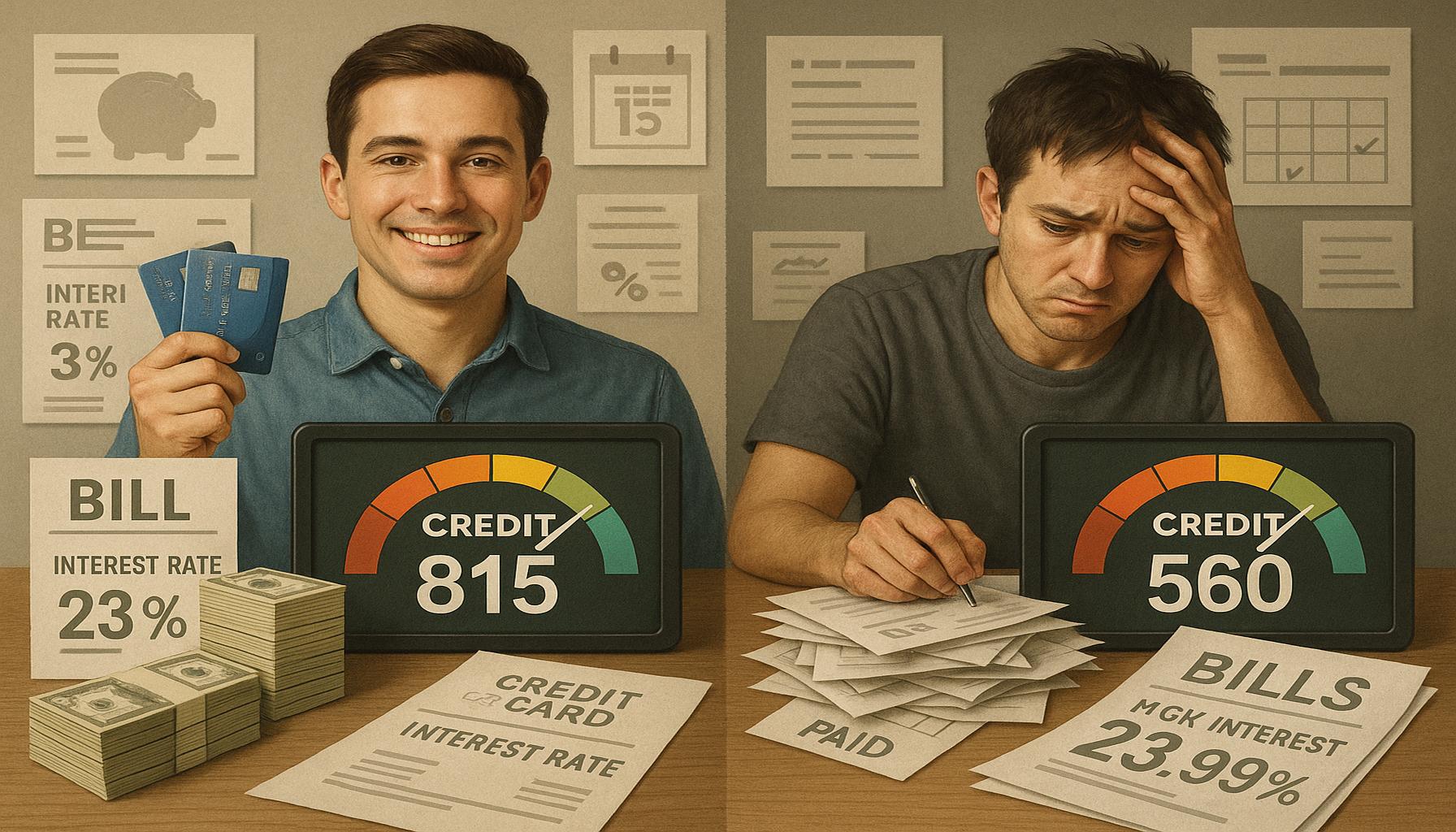
Credit cards can play a significant role in shaping an individual’s credit profile. For many, they serve as a tool for building personal credit, influencing future financial opportunities such as loan approval rates and interest terms. Credit cards, when used judiciously, can be an effective way to establish and enhance creditworthiness, an essential factor that lenders consider when evaluating loan applications. However, leveraging credit cards also entails both advantages and disadvantages that must be carefully considered to avoid long-term financial pitfalls.
Benefits of Responsible Credit Card Use
When used responsibly, credit cards offer several benefits that can be advantageous for personal finance management:
- Convenience: Credit cards provide an easy method for making purchases and managing expenses. They are widely accepted, both in physical stores and online, allowing for quick and hassle-free transactions. For example, consumers can purchase everyday items, travel tickets, or even pay for emergency expenses without the immediate need to carry cash.
- Credit History: Regular usage combined with timely payments contributes to a positive credit history, which is vital for securing loans and mortgages in the future. A solid credit history can significantly enhance one’s chances of obtaining favorable loan terms, such as lower interest rates.
- Rewards Programs: Many credit cards offer rewards such as cashback, travel points, or discounts on future purchases. For instance, a cardholder might earn 2% cashback on grocery purchases, effectively reducing future spending while providing a monetary incentive to use the card strategically.
Possible Drawbacks of Credit Card Use
However, potential drawbacks also exist that individuals must be aware of when handling credit cards:
- Debt Accumulation: Overuse can lead to high-interest debt if balances are not paid in full every month. Credit card debt, particularly when interest rates are compounded, can escalate rapidly, making it challenging for individuals to regain financial stability.
- Impact on Credit Score: Late payments or high credit utilization can significantly harm credit scores. Maintaining a balance above 30% of the total credit limit can negatively affect credit ratings, potentially hindering one’s ability to obtain future credit.
- Fees: Annual fees, late payment fees, and interest charges can erode any perceived benefits of credit card usage. For example, a credit card with a high annual fee may not be worth it if the cardholder does not utilize the rewards or benefits offered.
Making Informed Financial Decisions
Understanding both sides of credit card usage is crucial for making informed financial decisions. Responsible credit card management includes monitoring spending, ensuring timely payments, and being aware of the terms and conditions associated with each card. This article aims to delve deeper into these pros and cons, providing insights for those looking to build their credit wisely.
EXPLORE MORE: Click here to learn how to calculate your ideal retirement amount</a
Understanding the Benefits of Credit Cards
Using credit cards as a tool for building personal credit offers several clear advantages, particularly when it comes to financial flexibility and establishing a strong credit profile. For individuals looking to enhance their creditworthiness, understanding these benefits is essential.
1. Building a Credit History
One of the most significant advantages of credit card usage is the ability to build a solid credit history. Each time a credit card is utilized and payments are made on time, these positive actions are reported to credit bureaus. This consistent positive activity establishes a track record that demonstrates financial responsibility. A well-managed credit history not only reflects reliability but can also enhance an individual’s credit score, which plays a pivotal role in qualifying for various types of loans, including car loans and mortgages.
2. Managing Cash Flow
Credit cards offer a convenient way to manage cash flow, allowing users to make essential purchases without depleting their available cash. This flexibility can be particularly beneficial for unexpected expenses, such as medical emergencies or urgent home repairs. By using a credit card, individuals can pay for these expenses immediately and then repay the balance over time, assuming they manage repayments responsibly and avoid accumulating high-interest debt.
3. Emergency Preparedness
In addition to everyday expenses, credit cards serve as a safety net in times of financial crisis. Having access to credit can provide peace of mind, enabling individuals to navigate unforeseen circumstances without derailing their entire financial plan. For example, a credit card can be invaluable during a sudden job loss, allowing for necessary expenses to be managed while seeking new employment.
4. Utilizing Rewards and Benefits
Many credit cards come equipped with rewards programs, offering cashback, travel points, or discounts on future purchases. Utilizing these rewards can contribute to better overall financial health when used strategically. For instance, a cardholder may select a card that offers enhanced rewards for categories frequently utilized, such as groceries or gas, effectively reducing spending over time. Additionally, some cards also provide benefits like travel insurance or extended warranties, adding further value to their use.
5. Enhancing Financial Literacy
Engaging with credit cards can enhance one’s financial literacy by encouraging careful monitoring of spending habits and understanding interest rates and credit limits. As cardholders navigate the nuances of their credit accounts, they become more informed consumers, potentially leading to better financial choices in the long run. This knowledge can empower individuals to take control of their financial futures, contributing to more prudent management of personal funds.
Recognizing the Risks of Credit Card Use
While the advantages of using credit cards for building personal credit are significant, it is equally important to acknowledge the inherent risks associated with their use. Mismanagement of credit cards can lead to detrimental financial consequences, potentially negating the positive aspects of credit-building attempts. Awareness of these risks is fundamental for anyone considering using credit cards as part of their financial strategy.
DISCOVER MORE: Click here to learn how interest rates affect your loans and investments
Examining the Drawbacks of Credit Card Usage
Despite the benefits of leveraging credit cards to build personal credit, potential pitfalls exist that can significantly impact one’s financial stability and creditworthiness. Understanding these drawbacks is crucial for users to navigate the complexities associated with credit card ownership effectively.
1. Risk of Accumulating Debt
One of the most pressing concerns when using credit cards is the inherent risk of accumulating debt. Unlike traditional loans, which come with fixed payment plans, credit card balances can quickly spiral out of control if not managed properly. According to the Federal Reserve, the average American household carries over $6,000 in credit card debt. This debt can lead to exorbitant interest payments, especially if users only make minimum payments, ultimately resulting in a cycle of borrowing that can take years to escape.
2. Interest Rates and Fees
Credit cards typically come with high-interest rates, which can increase the cost of borrowing significantly. As of early 2023, the average credit card interest rate hovers around 19.5% annual percentage rate (APR). Failure to pay off balances in full can lead to substantial finance charges, particularly for individuals with lower credit scores who may qualify for higher rates. Additionally, cardholders may face annual fees, late payment fees, and foreign transaction fees that can further erode savings.
3. Impact on Credit Score from Mismanagement
While timely payments can positively influence one’s credit score, the opposite is true if payments are missed. A single late payment can cause a credit score to drop by as much as 100 points, severely impacting creditworthiness. Inaccurate reporting or misunderstandings regarding credit card terms can also lead to credit score repercussions that may take months or years to rectify, undermining the efforts made to build credit in the first place.
4. Temptation to Overspend
Having access to a credit limit can result in the temptation to spend beyond one’s means. The psychological phenomenon known as “credit card swiping” can lead individuals to rationalize unnecessary purchases, which can negatively impact budgeting efforts and financial discipline. Research from the University of Toronto suggests that individuals tend to spend more when using credit cards than when using cash, leading to inflated expenses and potential financial strain.
5. Potential for Fraud and Identity Theft
Credit cards also pose risks related to security, particularly in an era where online shopping and digital transactions are pervasive. Consumers are vulnerable to fraud and identity theft, which can not only lead to unauthorized charges but can also complicate efforts to maintain a healthy credit profile. In 2022, consumers reported $7 billion in losses from fraud, a staggering figure that highlights the importance of monitoring credit card activity regularly. Utilizing effective security measures, such as notifying card issuers of suspicious transactions and employing personal security strategies, is essential to mitigate these risks.
While credit cards can undoubtedly serve as beneficial tools for credit building, awareness of their associated risks is essential to protect financial health and facilitate responsible usage. Balancing the benefits of credit with the risks involved allows individuals to navigate the credit landscape effectively.
DISCOVER MORE: Click here to learn how to maximize your investment returns during uncertain times</a
Conclusion
In summary, the use of credit cards as a means to build personal credit presents both advantages and disadvantages that warrant careful consideration. On the positive side, credit cards can help establish credit history, improve credit scores through timely payments, and offer rewards or benefits for regular usage. These factors can greatly enhance one’s financial profile, making it easier to secure loans or favorable interest rates in the future.
However, the potential downsides are equally significant. The risk of accumulating debt, coupled with high-interest rates and fees, can lead to a precarious financial situation if expenditures are not carefully monitored. Additionally, mismanagement of credit cards can adversely affect credit scores, and the temptation to overspend may strain personal budgets. Moreover, the threat of fraud and identity theft adds another layer of complexity that consumers must navigate.
Ultimately, individuals must weigh these pros and cons against their unique financial circumstances. Developing a strategic approach to credit card use—such as setting a budget, making payments in full, and regularly monitoring credit reports—can enable users to mitigate risks while leveraging the benefits of credit cards. By exercising caution and prioritizing responsible financial habits, consumers can confidently utilize credit cards as effective tools for building personal credit and achieving their financial goals.

Maria Eduarda
Linda Carter is a writer and financial consultant specializing in economics, personal finance, and investment strategies. With years of experience helping individuals and businesses make complex financial decisions, Linda provides practical analyses and guidance on the Meaning of Dreaming platform. Her goal is to empower readers with the knowledge needed to achieve financial success.


