
Loans and Sustainability: How to Finance Ecological and Responsible Projects
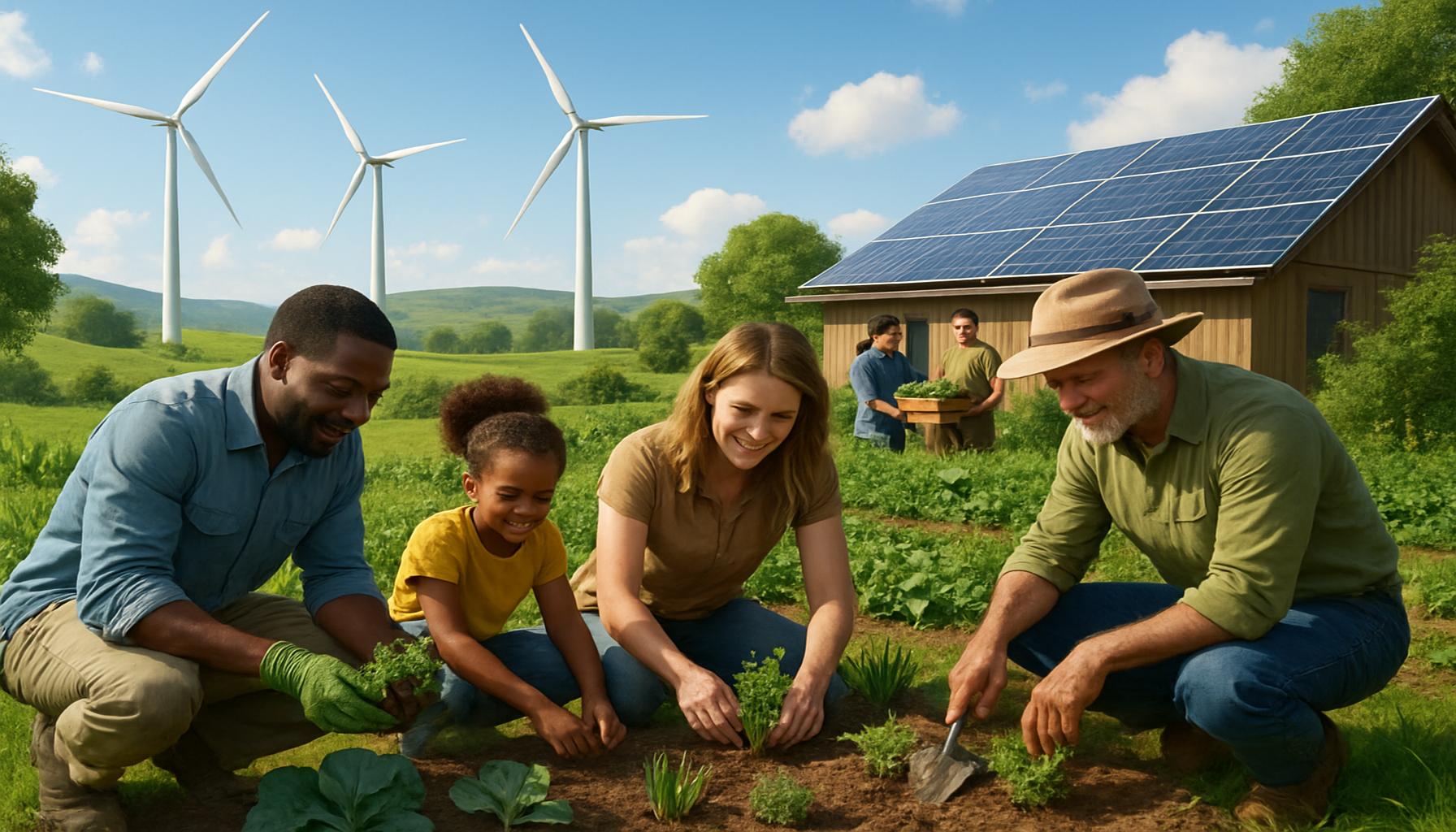
The Essential Role of Loans in Financing Sustainable Projects
In an era characterized by heightened environmental awareness, the financing of sustainable projects has become a crucial endeavor for both individual and institutional investors. These loans are not merely financial tools; they serve as catalysts that enable meaningful investments in initiatives aimed at promoting ecological well-being and combating climate change. As the effects of global warming and resource depletion become increasingly evident, a concerted effort from all sectors of society to invest in green solutions is paramount.
Benefits of Financing Sustainable Projects Through Loans
The advantages of leveraging loans for financing sustainable projects are manifold:
- Access to Capital: Loans provide vital funds for a variety of eco-friendly initiatives, including renewable energy installations such as solar panels and wind turbines, as well as green building upgrades that enhance energy efficiency. For instance, businesses seeking to enhance their infrastructures with sustainable practices can acquire loans specifically designed for such projects.
- Lower Interest Rates: The growing emphasis on sustainability has prompted many financial institutions in the United States to offer preferential interest rates for eco-friendly projects. For example, programs like the Energy Efficient Mortgage (EEM) allow homeowners to finance energy-efficient improvements with lower borrowing costs, making it more economically feasible for individuals to invest in sustainable home upgrades.
- Social Impact: Investments in sustainability not only contribute to environmental preservation but also lead to significant social benefits. Projects often yield job creation in sectors such as renewable energy, engineering, and construction, fostering community development and enhancing local economies. This dual impact encourages investors to view sustainability as a responsible and rewarding avenue.
A Diverse Landscape of Lending Options
In the United States, various lending options are accessible for financing sustainable initiatives. Government-backed loans such as those offered by the Federal Housing Administration (FHA) enable homeowners to make eco-friendly renovations at attractive rates. Additionally, investors can explore private financing options, including credit unions and community banks that prioritize sustainability. Green bonds have also emerged as a popular financing tool, allowing organizations to raise capital specifically for projects meeting stringent environmental criteria.
Navigating the Financing Landscape for Sustainable Projects
Understanding the lending landscape and effectively leveraging the available financing options is vital for stakeholders committed to advancing ecological initiatives. This knowledge empowers project developers and investors to effectively navigate financial instruments that align both their fiscal goals and environmental responsibilities. By pursuing financing avenues tailored for sustainability, stakeholders can not only mitigate risks associated with climate change but also yield substantial long-term economic returns.
In summary, the integration of loans into the financing framework for sustainable projects not only facilitates essential advancements in environmental stewardship but also enhances social equity and economic growth. As awareness and demand for sustainable solutions continue to rise, individuals and organizations alike must seize the opportunity to invest responsibly in a greener future.
DISCOVER MORE: Click here to learn about the benefits of rewards programs
The Intersection of Finance and Environmental Responsibility
As the demand for sustainable solutions continues to grow, the intersection of finance and environmental responsibility has attracted considerable attention. This convergence emphasizes the necessity for effective funding mechanisms that can support a variety of ecological projects. Loans designed specifically for sustainability are structured to mitigate environmental degradation while providing an avenue for financial returns. By facilitating capital flow towards responsible initiatives, these loans optimize the investment landscape for both project developers and lenders.
One of the most compelling aspects of loans for sustainable projects is their ability to transform innovative ideas into tangible realities. For example, consider the financing of community solar projects, which harness renewable energy while simultaneously promoting local engagement and equity. The ability to secure loans enables developers to cover upfront costs and undertake extensive feasibility studies, laying the groundwork for impactful initiatives that might otherwise be unfeasible.
Types of Loans Available for Sustainable Projects
Various types of loans cater to the diverse needs of sustainable projects. Understanding these options can aid stakeholders in selecting the most appropriate financing method:
- Green Mortgages: These loans incentivize energy-efficient home upgrades and renovations, allowing homeowners to finance eco-friendly improvements with favorable terms. They support projects that align with sustainable building practices and energy conservation, promoting wider adoption of green technologies.
- Energy Efficiency Loans: Such loans specifically target projects aimed at enhancing energy efficiency. Businesses can access funds for initiatives like HVAC system upgrades or insulation enhancements, effectively reducing operational costs and contributing to energy conservation.
- Commercial Eco-Loans: Designed to aid businesses in their sustainable transitions, these loans can finance renewable energy installations or sustainable supply chain practices. The dual benefit of improving sustainability and achieving potential cost savings makes these loans increasingly appealing to corporate entities.
Moreover, alternative financing options such as peer-to-peer lending and crowdfunding platforms have emerged, allowing individual investors to fund sustainable projects. These methods not only democratize the financing landscape but also enable community engagement, thereby strengthening the social fabric around sustainability initiatives. The evolution of such financing options showcases the adaptive nature of lending practices in response to contemporary environmental challenges.
It is also essential to recognize that the purpose of these loans extends beyond simply offering financial support. They embody a commitment to responsible investment practices that prioritize ecological integrity and the long-term well-being of communities. Financial institutions are increasingly incorporating environmental, social, and governance (ESG) criteria into their lending processes, further solidifying the alignment between finance and sustainability.
In conclusion, as the focus on environmental sustainability intensifies, understanding the various types of loans available helps stakeholders unlock the potential of funds to support green initiatives. By navigating the financing landscape, individuals and organizations can effectively contribute to a more sustainable future while achieving their economic goals.
DISCOVER MORE: Click here to learn more about budgeting effectively
Challenges in Securing Financing for Sustainable Projects
While the array of loans available for sustainable initiatives presents significant opportunities, stakeholders must also navigate various challenges that can hinder the financing process. One of the primary hurdles is the perception of risk associated with many green projects. Traditional funders may view these initiatives as untested or financially unstable compared to conventional investments. This skepticism can result in higher interest rates or stringent lending requirements, creating barriers for project developers seeking to secure necessary funding.
Furthermore, the lack of standardized metrics to assess the sustainability impact of projects introduces a layer of complexity. Financial institutions often struggle to quantify the return on investment (ROI) for ecological projects, leading to cautious lending behavior. Without clear data and benchmarks, lenders may hesitate to finance initiatives that could provide significant environmental benefits but are harder to evaluate financially. This gap highlights the need for improved frameworks and methodologies that accurately assess the viability of sustainable investments.
Innovative Financing Solutions and Models
In response to these challenges, innovative financing solutions have emerged that can facilitate investment in sustainable projects. For instance, green bonds have gained traction as a powerful tool for raising capital for projects that meet specific environmental criteria. These bonds are particularly attractive to institutional investors who are increasingly seeking sustainable investment opportunities. By offering a fixed income return while funding eco-friendly projects, green bonds create a win-win scenario for both investors and the environment.
Another increasingly popular model is the pay-as-you-save (PAYS) financing mechanism, which allows consumers to finance energy efficiency upgrades through their utility bills. The upfront costs are covered by the utility or a third-party financier, and repayment occurs over time as the improved energy efficiency translates into savings on energy bills. This innovative approach alleviates immediate financial burdens and promotes widespread adoption of energy-efficient technologies in residential and commercial settings.
The Role of Public Policy and Incentives
Public policy plays a crucial role in shaping the landscape for sustainable financing. Government initiatives, including tax incentives and grants, can substantially enhance the attractiveness of sustainable investments. For example, the Investment Tax Credit (ITC) and the Production Tax Credit (PTC) in the United States provide critical financial support for renewable energy projects, incentivizing both private investment and innovation within the sector.
Furthermore, state and local governments have begun implementing sustainability-focused financing programs that address specific community needs. These programs may include Property Assessed Clean Energy (PACE) financing, which allows property owners to secure funding for energy improvements and pay it back through property taxes. Such policy-driven solutions can significantly boost investment in green projects while minimizing the barriers that often accompany traditional loan structures.
Community Engagement and Education
To maximize the potential of loans for sustainable projects, community engagement and education are vital. Many potential borrowers may lack awareness of the financing options available to them or may not fully understand the long-term benefits of undertaking sustainable initiatives. Strengthening educational outreach efforts, particularly in underserved communities, can empower individuals and businesses to take advantage of financing opportunities that promote ecological responsibility.
By fostering a culture of sustainability through education and engagement, communities can mobilize support for green financing solutions, leading to greater investment in projects that further ecological goals. This grassroots approach not only bolsters financial viability but also cultivates a shared commitment to fostering a sustainable future.
DISCOVER MORE: Click here to learn how to apply
Conclusion
In an era where environmental sustainability is paramount, the integration of loans and financing options for ecological projects is critical. While challenges in securing financing for sustainable initiatives persist, such as perceived risks and the absence of standardized metrics to evaluate success, the emergence of innovative solutions provides a promising pathway. Green bonds and models like pay-as-you-save (PAYS) financing are effectively mobilizing capital to support projects that contribute to a healthier planet, demonstrating that financial returns can align with ecological outcomes.
Additionally, the role of public policy cannot be overstated. Government incentives and accessible financing programs tailored to specific community needs help diminish barriers to investment, empowering a broader range of stakeholders to engage in sustainability efforts. Such policies not only stimulate economic growth but also catalyze positive environmental change, ensuring that both current and future generations benefit from a sustainable infrastructure.
Ultimately, fostering community engagement and enhancing educational outreach are vital to ensuring that potential borrowers fully understand their financing options and the long-term advantages of sustainable projects. By cultivating a culture rooted in sustainability, we can collectively support the financing of responsible initiatives. Through collaborative efforts among governments, financial institutions, and communities, we can make significant strides in achieving a greener economy that balances ecological integrity with financial viability. This multifaceted approach will ultimately pave the way for a sustainable future, benefiting both people and the planet.

Maria Eduarda
Linda Carter is a writer and financial consultant specializing in economics, personal finance, and investment strategies. With years of experience helping individuals and businesses make complex financial decisions, Linda provides practical analyses and guidance on the Meaning of Dreaming platform. Her goal is to empower readers with the knowledge needed to achieve financial success.