
The Role of Loans in Building Credit: Tips for Beginners
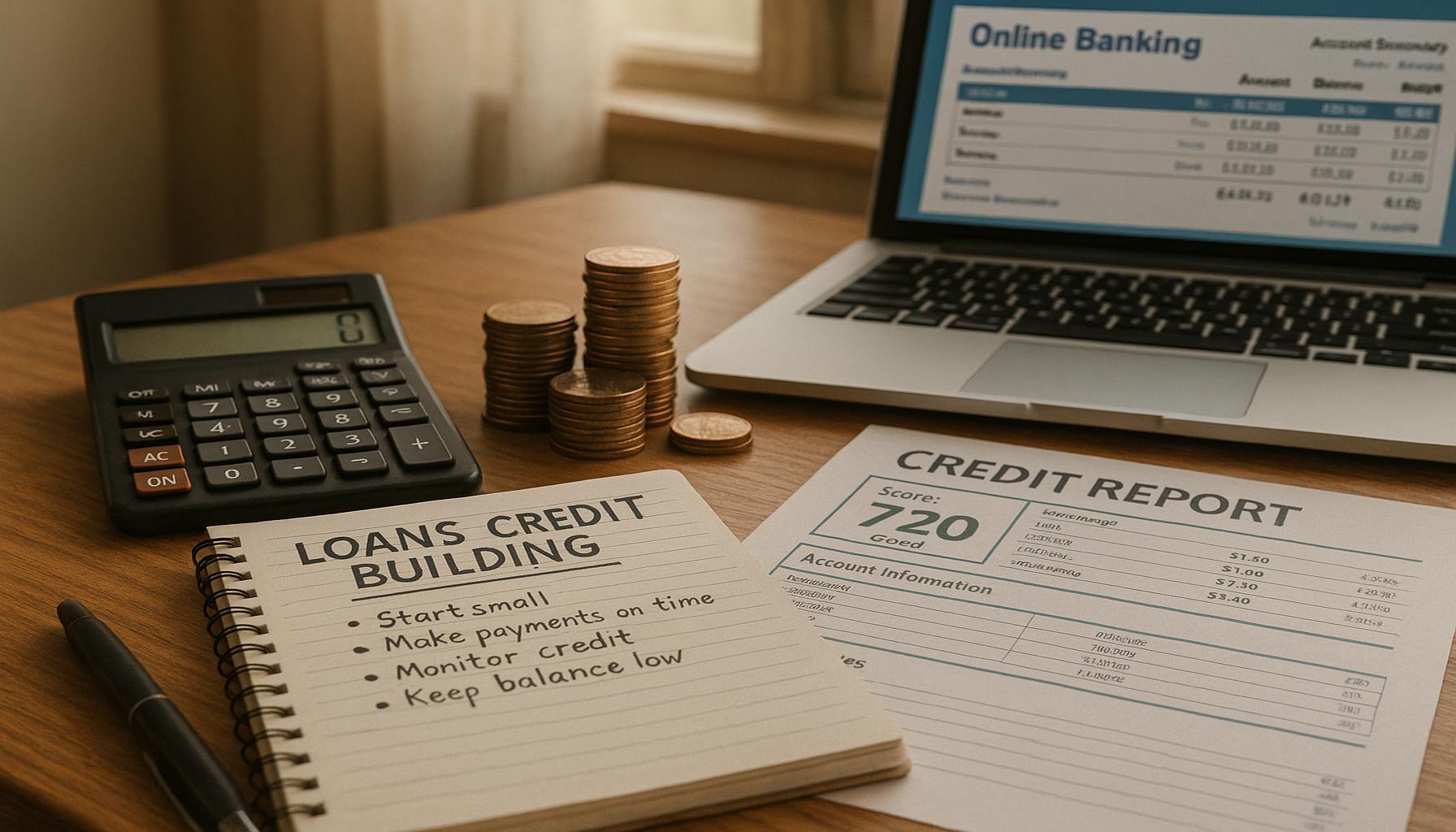
Understanding Loans and Credit Building
Effective utilization of loans is a pivotal factor for individuals eager to develop a robust credit profile. A strong credit report not only enhances your ability to secure loans but also leads to better interest rates, favorable terms, and greater financial flexibility. In this context, it is imperative to grasp several essential elements that influence one’s credit health.
- Types of Loans: Personal loans, student loans, and auto loans all serve different purposes but significantly contribute to credit history. Personal loans can be used for various expenses, such as consolidating debt or funding a large purchase. Student loans, often necessary for college education, can impact credit from an early age. Auto loans, when responsibly managed, showcase your ability to handle larger debts, critical for major future purchases like a home.
- Credit Mix: To bolster your credit score, a diversified mix of credit types is beneficial. This can include revolving credit accounts, like credit cards, alongside installment loans. Credit scoring models favor individuals who demonstrate their ability to manage different types of credit responsibly, which signals to lenders your capability to handle various liabilities.
- Payment History: One of the predominant factors affecting your credit score is your payment history. Consistently making on-time payments, regardless of the loan type, reflects reliability to creditors. According to FICO, approximately 35% of your credit score is based solely on payment history. Missing payments can thus be detrimental and can linger on your credit report for up to seven years.
For novices, the realm of loans may initially seem complex. However, employing effective strategies can easily transform loans into solid groundwork for financial health.
- Start Small: Initiating your credit journey with manageable loans, such as a small personal loan or secured credit card, can help establish a consistent repayment history. For instance, renting a piece of equipment and financing it through a small loan can enhance your credit without overwhelming you with debt.
- Stay Informed: Monitoring your credit report is crucial for maintaining credit health. Free resources like AnnualCreditReport.com allow individuals to review their credit reports from all three major bureaus annually. By remaining vigilant, you can identify discrepancies or areas needing improvement early.
- Limit Credit Inquiries: Limiting hard inquiries is vital because each inquiry can temporarily lower your credit score. It is advisable to strategically plan when to apply for credit and to space out loan applications over time to mitigate the impact on your score.
By gaining a comprehensive understanding of loans and their implications on credit, individuals can effectively take charge of their financial trajectory. In subsequent sections, we will explore actionable tips and best practices for leveraging loans as powerful tools for credit development.
DISCOVER MORE: Click here to dive deeper
Effective Strategies for Using Loans to Build Credit
Navigating the credit landscape may be daunting for beginners, yet understanding how loans function within this paradigm is essential for building a positive credit history. Loans serve as a fundamental tool for establishing creditworthiness, offering a pathway to demonstrate responsible borrowing behavior. Here are some effective strategies to maximize the potential of loans in enhancing your credit profile:
- Create a Budget: Before taking out any loan, it is crucial to evaluate your financial situation through meticulous budgeting. Establishing a clear understanding of your income, expenses, and existing debts will help determine how much you can afford to borrow. A well-planned budget not only ensures that you can meet your loan obligations but also supports the timely payment of other financial commitments, further strengthening your credit history.
- Choose the Right Loan Product: Selecting the most suitable loan product is vital for effective credit building. For individuals just starting, secured loans, which require collateral, may be easier to obtain and can help establish your credit history. Alternatively, credit-builder loans are specifically designed to help individuals build credit, as the amount borrowed is held in a savings account until the loan is repaid, ensuring on-time payment reporting to credit bureaus.
- Understand Loan Terms: Before committing to any loan, comprehending the terms is imperative. Key elements include the interest rate, repayment period, and any associated fees. Favorable loan terms not only impact your ability to repay the loan but also affect overall credit scores, so it is beneficial to shop around and compare different lenders. This diligence can yield lower rates and better conditions, maximizing the loan’s benefit to your credit history.
As you embark on your credit-building journey, it is also essential to cultivate healthy borrowing habits. Managing loans effectively can not only enhance your credit score but also instill a sense of financial responsibility that benefits your overall financial wellbeing.
- Make Payments On Time: The cornerstone of building credit lies in your payment history. Setting up automatic payments or reminders can help ensure that you never miss a due date. Remember, timely payments contribute significantly to your credit score, while late or missed payments can severely inhibit your progress.
- Keep Balances Low: Maintaining a low balance relative to the credit limit is crucial, especially with revolving credit accounts. Aim to keep your credit utilization ratio below 30%, as high utilization can negatively impact your credit score. Consistent, responsible usage of available credit can demonstrate reliability to lenders.
- Review Your Credit Report Regularly: Regularly checking your credit report allows you to track your progress and identify potential issues. The Fair Credit Reporting Act entitles you to one free credit report from each of the three major credit bureaus—Equifax, Experian, and TransUnion—every year. Monitoring your report can help you address discrepancies before they escalate into larger issues.
In sum, leveraging loans responsibly can lay a strong foundation for a healthy credit history. Embracing these strategies will empower beginners to take charge of their financial future, paving the way for greater access to credit and improved financial opportunities over time.
DISCOVER MORE: Click here for insights on balancing debts and investments
Challenges to Avoid When Using Loans for Credit Building
While loans are a significant avenue for building credit, beginners must remain mindful of potential pitfalls that can jeopardize their financial standing and creditworthiness. Ignoring these challenges can lead to a cycle of debt and poor credit history. Here are some common issues that can arise when using loans as a means to build credit:
- Borrowing More Than You Can Afford: One of the most prevalent mistakes is overextending oneself financially. It is tempting to accept a larger loan amount, but doing so can strain your budget and lead to missed payments. Before committing to any loan, ensure that your budget can accommodate not just the loan payment, but also other living expenses. A general rule of thumb is to borrow only what is necessary and manageable, adhering to a conservative approach to analyzing your financial capabilities.
- Ignoring the Fine Print: Failing to thoroughly read the terms and conditions of a loan can result in unexpected fees and charges. Many loans come with additional costs like origination fees or prepayment penalties that can have long-term financial implications. Understanding all aspects of the loan agreement is essential. Seek clarity on any jargon you do not understand, and consult with a financial advisor if needed, as being well-informed can save you from unforeseen expenses.
- Having Too Many Open Accounts: While diversifying credit is generally beneficial, having excessive loan accounts can complicate your finances and negatively impact your credit score. It is essential to manage your credit responsibly. Keeping track of multiple loans can be overwhelming, leading to missed payments. Aiming for a manageable number of credit accounts allows you to maintain focus on timely repayments, which is crucial in building your credit history.
Another element to consider is understanding the impact of different types of loans on your credit score.
The Impact of Loan Types on Credit Scores
Not all loans affect your credit score in the same way. Familiarizing yourself with the various loan types can assist you in making informed decisions that align with your credit goals.
- Installment Loans: These loans involve borrowing a specific amount and repaying it in fixed installments over a predetermined time frame. Mortgages and auto loans are common examples. Responsible management of installment loans can significantly boost your credit score, as they contribute positively to your payment history and credit mix.
- Revolving Credit: This includes credit cards and lines of credit where borrowers can use and repay funds repeatedly up to a set limit. Although this type of credit can contribute positively to your credit score when managed wisely, it can also lead to high utilization rates if not monitored carefully. Maintaining low balances on revolving accounts is crucial to keeping your credit utilization ratio favorable.
- Personal Loans: Often unsecured, personal loans can also be used strategically to build credit, as they usually involve a fixed repayment schedule. However, given their higher interest rates, it is vital to ensure that the benefits of building credit outweigh the costs associated with borrowing.
Ultimately, understanding the distinction between these loan types and their impact on credit scores empowers beginners to make sound borrowing choices and uphold a robust credit profile. This strategic approach can unlock favorable loan products and lower interest rates in the future, highlighting the importance of creating a solid foundation for long-term financial health.
DIVE DEEPER: Click here for insights on adapting your investments
Conclusion
In conclusion, utilizing loans as a tool for building credit offers beginners a pathway to enhance their financial reputation, provided they approach this process with caution and knowledge. Understanding the types of loans available—installment, revolving, and personal loans—can significantly influence credit building strategies and outcomes. Each loan type presents unique benefits and challenges, which require careful consideration and management.
Crucially, maintaining a disciplined approach to borrowing is essential. Avoiding the temptation to take on more debt than is manageable, carefully reviewing loan terms to evade hidden fees, and limiting the number of open credit accounts can prevent potential pitfalls that may lead to financial distress. Successfully navigating these challenges while ensuring timely repayments will pave the way for a stronger credit profile.
Furthermore, individuals should regularly monitor their credit scores and adjust their strategies as necessary. This ongoing engagement not only strengthens financial literacy but also allows borrowers to make informed decisions about future loans, leading to more favorable terms and lower interest rates over time.
By establishing a solid foundation for credit through prudent loan management, beginners can achieve their financial goals and foster long-term financial health. In an increasingly credit-driven economy, being equipped with the right information is not just an advantage but a necessity for successful financial navigation.

Maria Eduarda
Linda Carter is a writer and financial consultant specializing in economics, personal finance, and investment strategies. With years of experience helping individuals and businesses make complex financial decisions, Linda provides practical analyses and guidance on the Meaning of Dreaming platform. Her goal is to empower readers with the knowledge needed to achieve financial success.