
The Role of Information in Shaping Smart Cities: Navigating Urban Futures
The article explores how leveraging data is crucial for developing smart cities, enhancing resource management, public safety, and citizen engagement. By utilizing real-time information and predictive analytics, cities can improve livability, foster sustainability, and stimulate economic growth, ultimately creating resilient urban environments that empower residents.
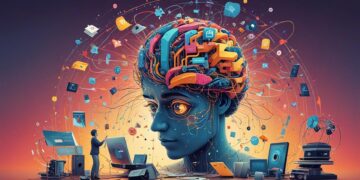
Information Overload: Strategies for Cognitive Well-Being in the Age of Big Data
In an age dominated by overwhelming data, effective strategies are essential for maintaining cognitive well-being. By prioritizing mindfulness, utilizing technology for organization, and establishing boundaries for information intake, individuals can foster a healthier relationship with digital content and enhance their decision-making abilities amidst the chaos.

Blockchain Technology: Revolutionizing Data Security and Information Privacy
The article explores how blockchain technology enhances data security and privacy across various sectors. With features like decentralization, immutability, and transparency, it empowers individuals and organizations to protect sensitive information, foster trust, and innovate in an increasingly interconnected digital landscape. Adopting blockchain is essential for navigating future data challenges.

The Rise of the Metaverse: Redefining Information Exchange in Virtual Spaces
The metaverse is revolutionizing information exchange and interaction by blending virtual and augmented realities, enhancing collaboration, and creating immersive experiences. It promises significant economic growth, innovative marketing strategies, and new educational opportunities, while also posing challenges in data privacy and inclusivity that organizations must address.

The Impact of Quantum Computing on Information Processing and Storage
Quantum computing is set to revolutionize information processing and storage by utilizing qubits for unparalleled speed and efficiency. This technology enhances data security, streamlines financial analyses, and transforms industries like healthcare and telecommunications, promising substantial advancements while necessitating proactive adaptations to ensure secure and effective implementations.

Information Accessibility: Bridging the Digital Divide in an Increasingly Remote World
The article explores the growing digital divide, emphasizing its impact on education, employment, and healthcare. It advocates for collaborative efforts among governments, private sectors, and communities to enhance information accessibility. Solutions include expanding broadband, providing affordable devices, and fostering digital literacy to create a more equitable society.

AI-Powered Translation: Overcoming Language Barriers in a Globalized America
AI-powered translation tools are transforming communication in a globalized America by bridging language barriers across various sectors. Enhancing speed, accuracy, and accessibility, these technologies improve interactions in healthcare, education, and business, fostering inclusivity and collaboration while paving the way for a more interconnected society.

Ethical Considerations in the Age of AI: Who Owns Our Information?
The rapid evolution of artificial intelligence raises critical questions about personal data ownership, privacy rights, and corporate accountability. As data monetization becomes prevalent, ethical concerns emerge regarding transparency and the imbalance of power between consumers and corporations. Ongoing dialogue is essential to ensure fair practices and protect individual rights.

The Evolution of Digital Literacy: Preparing Future Generations for an Information-Driven Economy
Digital literacy is crucial for navigating today's information-driven economy. It encompasses critical thinking, effective communication, and data management skills. As technology and global connectivity evolve, education systems must adapt to prepare future generations, fostering informed citizens who can thrive while addressing diverse learning needs and encouraging lifelong learning.

The Future of News Consumption: Adapting to an Age of Disinformation
The article explores the evolving landscape of news consumption amid rising disinformation. It emphasizes the need for critical thinking among consumers, journalistic integrity, and the role of technology and community engagement in fostering a trustworthy information ecosystem. Collective action is essential for promoting informed public discourse.