
The Cultural Implications of Job Inflation in Corporate America
Job inflation is transforming corporate America by reshaping employee expectations and workplace culture. Businesses are prioritizing work-life balance, diversity, and mental well-being, while leaders are embracing transparency and inclusivity. This cultural evolution demands organizations to adapt their practices to attract and retain top talent sustainably.

The Intersection of Mental Health and Job Performance: A Cultural Fix
The article highlights the crucial link between mental health and job performance, underscoring the importance of workplace cultural shifts. By fostering open communication, flexible work arrangements, and robust support resources, organizations can enhance employee well-being and productivity, ultimately benefiting their bottom line and creating a resilient workforce.

The Remote Work Revolution: How Technology Is Reshaping Work-Life Balance
The remote work revolution has transformed workplace dynamics, emphasizing flexibility, technology integration, and employee well-being. Organizations are adapting to new cultural norms that foster autonomy and promote a healthier work-life balance, which contributes to improved family dynamics and career advancement, ultimately enhancing job satisfaction and overall quality of life.
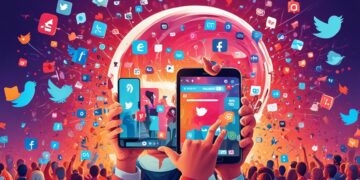
The Role of Social Media in Shaping Political Discourse and Public Opinion
Social media has transformed political discourse by enabling instant communication, broad outreach, and diverse perspectives. While it fosters grassroots movements and engages younger voters, challenges like misinformation and polarization complicate the landscape. A focus on critical media literacy is essential for navigating this complex digital environment successfully.

Climate Technology: Innovations Driving Sustainable Solutions in American Cities
American cities are leveraging innovative climate technologies to combat environmental challenges and enhance urban sustainability. Emphasizing renewable energy, smart transportation, and efficient water management, these advancements not only reduce carbon emissions but also stimulate economic growth, creating resilient urban environments for future generations. Collaboration is key to their success.

Cyber Threats: Protecting National Security in an Increasingly Digital World
As digital interactions rise, national security faces unprecedented cyber threats from state-sponsored attacks, cybercrime, and infrastructure vulnerabilities. A multi-faceted approach, including government initiatives, public-private collaboration, and education, is essential for safeguarding against these risks and fostering a culture of cybersecurity awareness.

Technology Equity: Bridging the Digital Divide in Rural America
The article highlights the digital divide in rural America, emphasizing the lack of reliable internet access, which hampers economic growth, education, and healthcare. It advocates for collaborative strategies—including infrastructure improvement, community initiatives, and digital literacy programs—to achieve technology equity, ensuring all communities can thrive in a digital economy.

The Future of Transportation: Electric Vehicles and Infrastructure Challenges
The transportation landscape is rapidly evolving with the rise of electric vehicles (EVs), promising reduced emissions and new economic opportunities. However, significant infrastructure challenges remain, necessitating robust investments in charging networks and consumer education to ensure a sustainable and inclusive future for EV ownership nationwide.

The Ethics of Biotechnology: Gene Editing and Its Implications for Society
The article explores the rapid advancements in gene editing, particularly CRISPR, and their profound ethical implications for society. It highlights potential medical and agricultural benefits while addressing concerns about accessibility, equity, and the risks of unintended consequences, urging inclusive dialogue to navigate the future of biotechnology responsibly.

Technology and Mental Health: Addressing the Psychological Effects of Screen Time
The article explores the significant psychological effects of extensive screen time on mental health, including heightened anxiety, depression, and sleep disturbances. It emphasizes the need for balanced digital habits, advocates for open discussions about technology use, and suggests strategies for healthier interactions with screens to promote well-being.