The Role of Technology in Stock Trading: How Trading Platforms are Transforming Investments
Transformation of Stock Trading Through Technology
The landscape of stock trading has fundamentally changed, primarily spurred by rapid advancements in technology. Investors today have access to powerful tools that not only enhance their trading capabilities but also inform their decision-making processes, allowing for a more strategic approach to investing. Several key elements contributing to this transformative evolution include:
- Accessibility: Trading platforms such as Robinhood, E*TRADE, and TD Ameritrade have democratized access to the stock market, enabling anyone with an internet connection to participate in trading activities. This increased accessibility has encouraged a diverse range of participants, from seasoned investors to novices, to engage in stock trading.
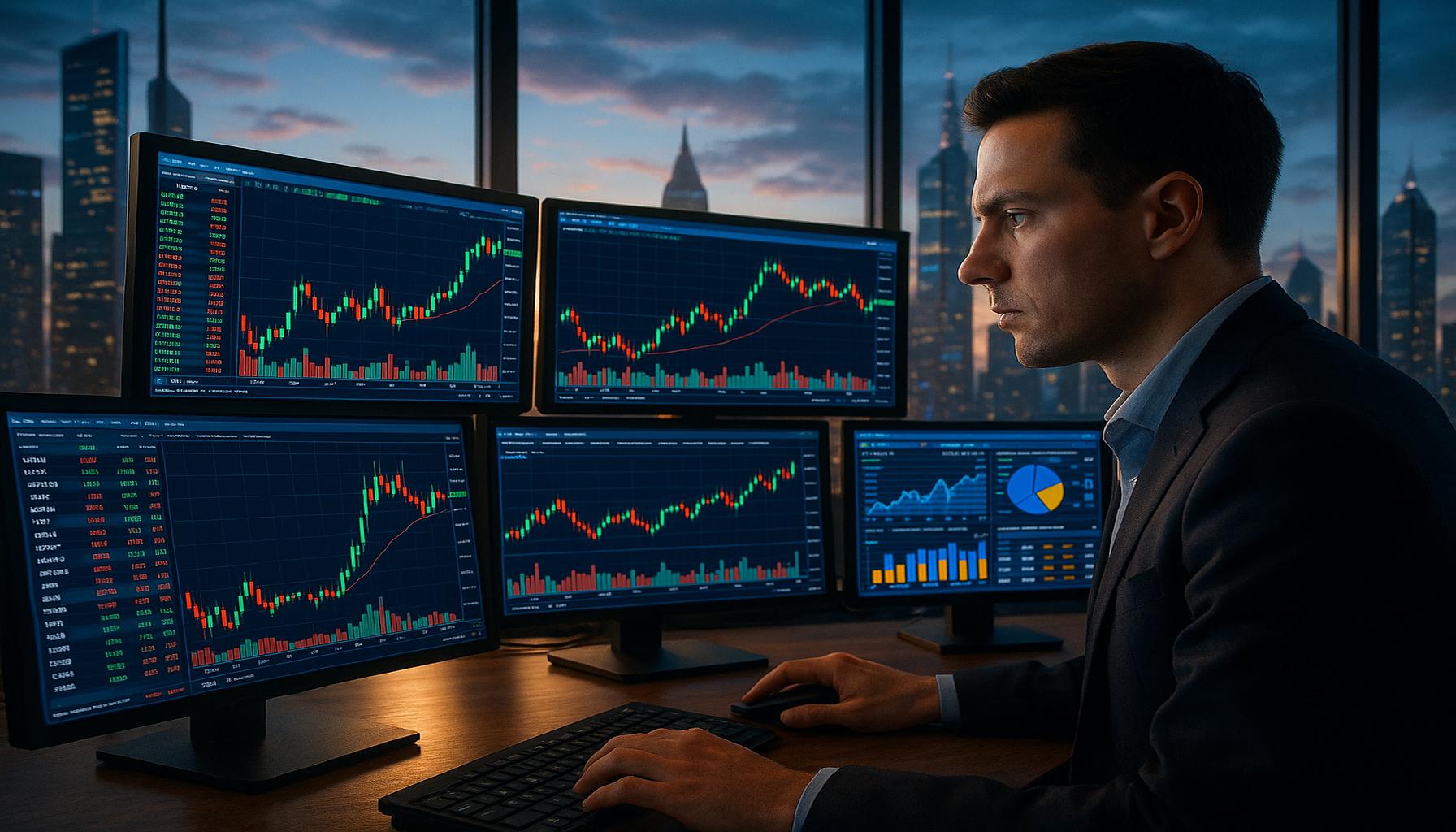
- Real-time data: Investors now have immediate access to a wealth of market data and analytics through platforms equipped with advanced charting tools. This immediate access empowers investors to act swiftly on market movements, ensuring that they capitalize on favorable trading opportunities and mitigate potential losses by reacting promptly to market changes.
- Automated trading: The rise of algorithmic trading has revolutionized how trades are executed. Algorithms can automatically execute trades at optimal times based on predefined criteria, ensuring better pricing while significantly reducing the potential for human error. For example, high-frequency trading (HFT) employs complex algorithms to analyze large datasets and execute orders in milliseconds, often capitalizing on minor price discrepancies.
Impact on Trading Strategies
The integration of technology into the trading environment has fostered the evolution of diverse trading strategies, allowing investors to utilize:
- Technical analysis tools: These sophisticated tools help traders identify stock price trends and potential entry or exit points, providing valuable insights into market movements. For instance, moving averages and Relative Strength Index (RSI) are widely used indicators that help traders make informed decisions based on historical price data.
- Mobile applications: With the proliferation of mobile trading apps, investors can now manage their portfolios on the go, making real-time trading decisions irrespective of their location. This has made the stock market more approachable for everyday individuals, allowing them to engage in trading whenever opportunities arise.
- Social trading platforms: Platforms like eToro allow users to observe the trading behaviors of experienced traders and replicate their strategies. This not only promotes collaboration but also facilitates learning for new investors, who can gain insights and perspectives from seasoned market participants.
As we further examine this topic, it becomes evident that the implications of these technological innovations extend beyond the mechanics of trading; they are influencing investment strategies and market behavior across the United States. For individual investors, this means enhanced opportunities for participation and learning, while institutional players are leveraging technology to gain a competitive edge. The ongoing evolution of technology in finance is reshaping the financial landscape, making it imperative for all market participants to stay informed and adaptable to these changes.
DISCOVER MORE: Click here for the perfect credit card for young adults
The Evolution of Investor Engagement
The emergence of technology in stock trading has catalyzed not only changes in trading mechanics but also profound shifts in how investors engage with the market. Today’s trading platforms go far beyond mere order execution; they have become comprehensive ecosystems that support education, strategic planning, and informed decision-making. This transition marks a significant milestone in how investors perceive and interact with their investments.
One of the most notable aspects of this evolution is the substantial increase in investor education facilitated by technological advancements. Traditional barriers to learning about the stock market have been dismantled. Resources such as webinars, online courses, and interactive tools are now easily accessible, allowing individuals to enhance their understanding of financial concepts and trading strategies. Many platforms even offer virtual trading environments where inexperienced investors can practice trading without putting their capital at risk, fostering confidence and skill before engaging in real transactions.
Moreover, the personalization of investment options has been revolutionized through technology. Investors can tailor their portfolios based on individual goals, risk tolerance, and market preferences. This level of customization is possible due to advanced analytics that many trading platforms now provide. These analytics not only assess current market conditions but also predict future trends based on historical data and machine learning models. As a result, investors can create diversified portfolios that are better aligned with their specific investment objectives.
Enhanced Decision-Making Through Analytics
Another pivotal element in the technological transformation of stock trading is the role of advanced analytics in enhancing decision-making processes. Here are several ways that analytics contribute to more informed investment choices:
- Data Visualization: Modern platforms utilize sophisticated data visualization tools that enable investors to interpret complex data sets more easily. By transforming raw data into interactive charts and graphs, investors can quickly identify patterns and trends that inform their strategies.
- Sentiment Analysis: Utilizing natural language processing, trading platforms can gauge market sentiment by analyzing news articles, social media, and financial reports. Understanding how public sentiment may impact stock prices empowers investors to make more calculated decisions during volatile market conditions.
- Performance Tracking: Investors can track their performance in real-time, analyzing metrics such as returns and risk exposure. This ongoing assessment allows traders to refine their strategies, learning from both successful trades and missteps, ultimately leading to continuous improvement.
In summary, the integration of technology into stock trading is forging a new path for investors, characterized by greater accessibility, superior analytic capabilities, and enhanced educational resources. As both retail and institutional investors grapple with an increasingly data-driven investment landscape, it becomes essential for them to leverage these technological advancements to maximize their potential in the financial markets. The journey of adapting to and harnessing these tools continues to redefine what it means to be an investor in the modern age.
DIVE DEEPER: Click here to learn how to use credit cards wisely
Real-Time Access and Market Responsiveness
In today’s fast-paced financial environment, the ability to react swiftly to market changes is paramount. Technology has equipped investors with real-time access to market data, which is essential for making timely investment decisions. Trading platforms now offer live feeds of stock prices, news updates, and economic indicators, enabling investors to remain informed and responsive to the latest developments.
This real-time accessibility also supports the rise of algorithmic trading, where investors deploy software solutions to execute trades based on predefined criteria. Such algorithms can process vast amounts of data far quicker than a human could, identifying profitable trading opportunities within milliseconds. With algorithmic trading, even individual investors can leverage strategies once only available to institutional investors, leveling the playing field in terms of speed and efficiency.
Integration of Artificial Intelligence and Machine Learning
Artificial intelligence (AI) and machine learning (ML) are among the most transformative technologies impacting stock trading. These advanced technologies analyze historical data to uncover trends, predict price movements, and inform trading strategies. They can also identify correlations between seemingly unrelated assets, providing investors with valuable insights that might otherwise remain hidden.
- Predictive Analytics: AI-driven models can analyze multifaceted datasets to offer predictive insights regarding stock performance. For instance, using trading volume and price fluctuation patterns, models can assess future price movements, thereby guiding investors on when to enter or exit positions.
- Risk Management: Machine learning algorithms enhance risk management by monitoring trades in real time and alerting investors to potential risks. By identifying unusual trading patterns or changes in volatility, these platforms help investors adjust their strategies dynamically to mitigate losses.
- Portfolio Optimization: AI tools enable investors to optimize their portfolios by suggesting adjustments based on projected market conditions. This capability allows investors to adapt more efficiently to market fluctuations and economic changes, ensuring that their portfolios remain aligned with their risk tolerance and performance goals.
The integration of AI and ML into trading platforms is not merely about improving efficiency; it fundamentally enhances the decision-making process for investors. As these technologies evolve, their predictive powers and analytical capabilities will further refine how investors approach trading and strategize for future market conditions.
Social Trading and Community Insights
Another significant advancement in trading technology is the rise of social trading platforms, which allow investors to share insights and strategies with one another. This innovative feature supports a collaborative approach to investing, where users can observe and mimic the trades of successful investors, fostering a community-centered environment.
Platforms that facilitate social trading often provide metrics to assess the performance of different contributors, enabling users to make informed choices about whose strategies to follow. This model not only democratizes access to expert-level insights but also empowers novice investors by connecting them with experienced traders. By participating in these discussions, investors can broaden their knowledge and adapt successful strategies to their own investments.
As the landscape of stock trading continues to evolve, the influence of technology remains paramount, shaping how investors engage with markets. The combination of real-time accessibility, AI-driven analytics, and social collaboration reflects a transformative shift that enhances investor capabilities, promotes innovation, and ultimately enriches the investment experience.
DON’T MISS OUT: Click here to learn about common retirement planning pitfalls
Conclusion
In summary, the advent of technology in stock trading represents a paradigm shift that significantly alters investment methodologies. The development of advanced trading platforms has transformed traditional investment practices, providing investors with real-time access to market information and facilitating more dynamic and informed decision-making. Such platforms, like Robinhood or E*TRADE, enable users to view live stock prices, news updates, and trading volumes, which empower them to act swiftly in response to market changes rather than relying on outdated information.
Moreover, by allowing for algorithmic trading, investors can execute trades at unprecedented speeds, leveling the playing field between retail and institutional traders. For instance, high-frequency trading firms utilize complex algorithms to capitalize on minute market inefficiencies, executing thousands of orders in a fraction of a second. This has created a competitive environment where everyday investors not only react to market trends but also predict and influence them through technological means.
The integration of artificial intelligence and machine learning into these platforms further enhances investment strategies by enabling advanced predictive analytics and improved risk management capabilities. Tools like Trade Ideas utilize AI to suggest trading opportunities based on historical data patterns, allowing users to backtest strategies and predict potential outcomes with greater accuracy. As investors gain insights from vast datasets, they can refine their trading strategies to better navigate the complexities of the market. Furthermore, the rise of social trading, exemplified by platforms like eToro, fosters a collaborative environment where investors can exchange knowledge, ultimately enriching their investment processes and outcomes.
As technology continues to advance, the future of stock trading appears increasingly driven by its innovations. Investors must remain adaptable and proactive in leveraging these tools to optimize their investment approaches. Engaging in webinars, online courses, or community forums can enhance their understanding of these emerging technologies. Embracing technology in stock trading not only enhances efficiency but also empowers investors to make more informed choices, ensuring a more competitive stance in an increasingly complex financial landscape.

Linda Carter is a writer and financial consultant specializing in economics, personal finance, and investment strategies. With years of experience helping individuals and businesses make complex financial decisions, Linda provides practical analyses and guidance on the Meaning of Dreaming platform. Her goal is to empower readers with the knowledge needed to achieve financial success.